The Best Drawing Exercises for Rapid Progress
Starting your art journey can feel overwhelming. You see amazing work online and want to get there fast, but where do you actually begin? The secret isn't "talent"—it's deliberate practice.
By focusing on a few core fundamentals through targeted exercises, you can build the muscle memory and observation skills needed to draw anything you can imagine.
Here are the best drawing exercises to help you level up your skills, organized from basic mark-making to complex form construction.
1. Master Your Mark-Making
Before you can draw complex scenes, you need to control your hand. Many beginners struggle with "scratchy" lines or shaky hands. These exercises build the steady, confident stroke of a pro.
Ghosting and Straight Lines
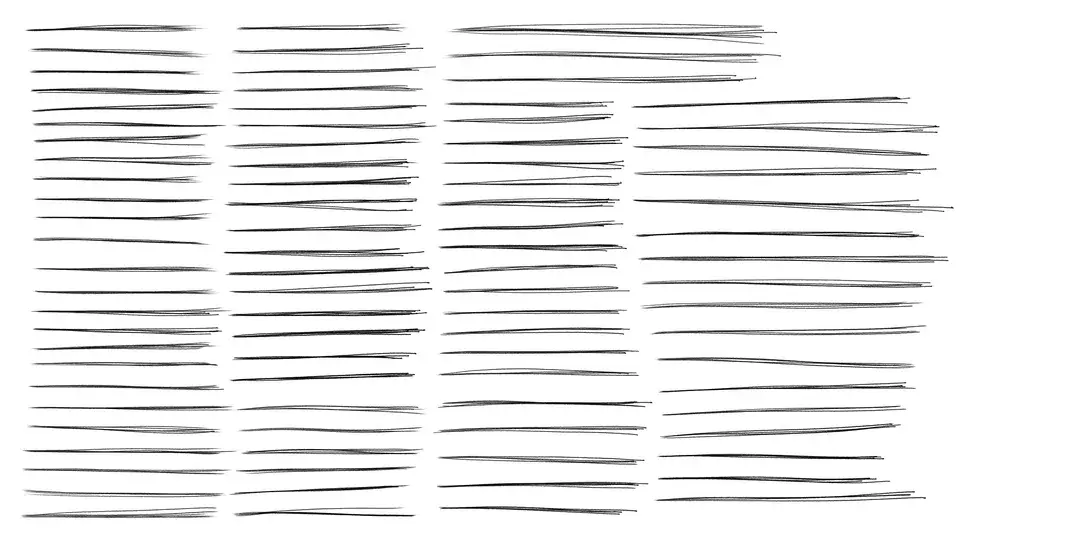
Instead of drawing a line immediately, "ghost" the motion above the paper a few times. When you feel confident, drop the pen and pull the stroke in one smooth motion.
Accuracy with Connect-the-Dots
Place two random dots on your page and try to connect them with a single, straight line. It's harder than it looks, but it's the foundation of accurate construction.
2. Think in 3D: Basic Shapes
Everything in the world—from a coffee mug to a human face—can be broken down into simple 3D shapes: spheres, cylinders, and cubes.
The Shape Spree
Fill a page with cubes, cones, and spheres. The goal is to make them look like they have volume and weight.
Overlapping and Depth
To create a sense of space, you need to learn how shapes interact. Drawing overlapping shapes helps you understand "occlusion" and how objects sit in front of each other.
Try this: Try drawing a stack of circles and focus on making the overlaps look convincing.
3. Light and Shadow
Once you have the shapes down, you need light to make them "pop" off the page. Value (how light or dark something is) is what creates the illusion of form.
Two-Value Studies
Instead of worrying about every tiny detail, try to simplify everything into just two values: light and shadow. This teaches you to see the "big shapes" of light.
Gradual Shading
Practice moving smoothly from dark to light. This control is essential for rendering soft surfaces like skin or rounded objects.
4. Training Your Eyes
Drawing is 20% hand movement and 80% observation. Most "mistakes" in drawing are actually mistakes in seeing.
Texture and Detail
Spend time observing how light hits different materials. Is it rough? Shiny? Matte? Trying to replicate these textures forces you to look closer than you ever have before.
How to Practice Effectively
You don't need to practice for 8 hours a day. In fact, 15–30 minutes of focused practice is much better than hours of mindless doodling.
- Warm up: Spend 5 minutes on simple lines or circles.
- Focus on one thing: Don't try to master everything at once. Spend a week just on lines, then a week on cubes.
- Don't fear the "bad" drawing: These are exercises, not masterpieces. Every "bad" drawing is just a step toward a better one.
Starting your art journey can feel overwhelming. You see amazing work online and want to get there fast, but where do you actually begin? The secret isn't "talent"—it's deliberate practice.
By focusing on a few core fundamentals through targeted exercises, you can build the muscle memory and observation skills needed to draw anything you can imagine.
Here are the best drawing exercises to help you level up your skills, organized from basic mark-making to complex form construction.
1. Master Your Mark-Making
Before you can draw complex scenes, you need to control your hand. Many beginners struggle with "scratchy" lines or shaky hands. These exercises build the steady, confident stroke of a pro.
Ghosting and Straight Lines
Instead of drawing a line immediately, "ghost" the motion above the paper a few times. When you feel confident, drop the pen and pull the stroke in one smooth motion.
Accuracy with Connect-the-Dots
Place two random dots on your page and try to connect them with a single, straight line. It's harder than it looks, but it's the foundation of accurate construction.

2. Think in 3D: Basic Shapes
Everything in the world—from a coffee mug to a human face—can be broken down into simple 3D shapes: spheres, cylinders, and cubes.
The Shape Spree
Fill a page with cubes, cones, and spheres. The goal is to make them look like they have volume and weight.
Overlapping and Depth
To create a sense of space, you need to learn how shapes interact. Drawing overlapping shapes helps you understand "occlusion" and how objects sit in front of each other.
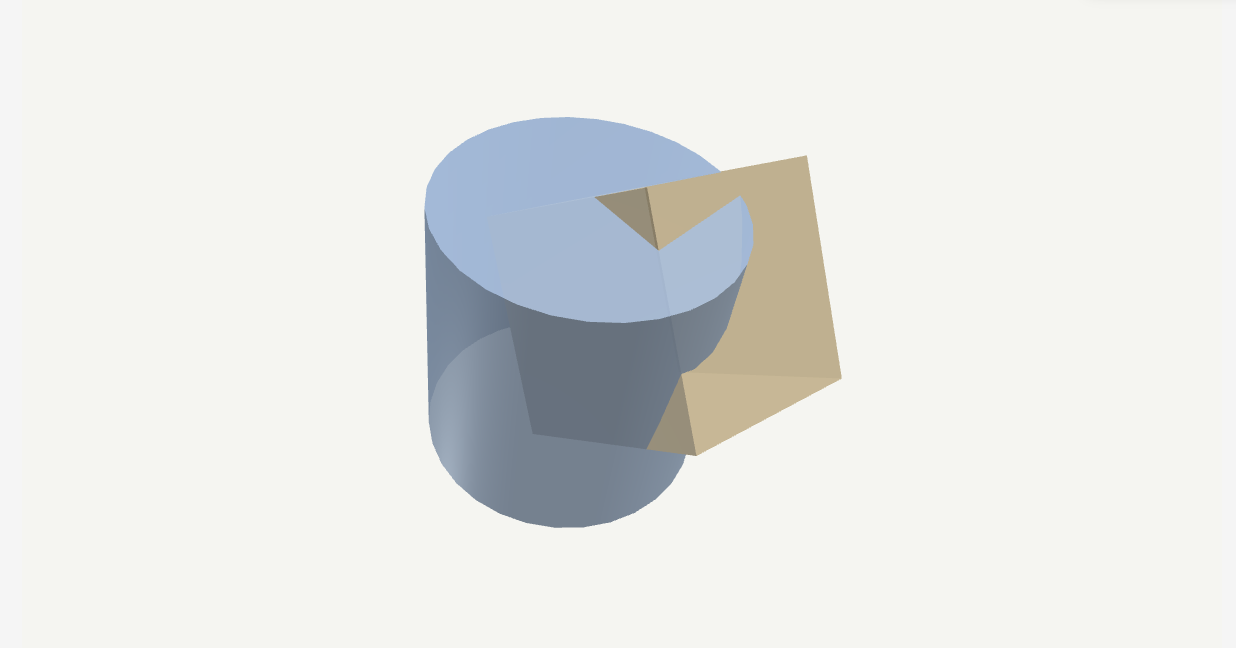
Try this: Try drawing a stack of circles and focus on making the overlaps look convincing.
3. Light and Shadow
Once you have the shapes down, you need light to make them "pop" off the page. Value (how light or dark something is) is what creates the illusion of form.
Two-Value Studies
Instead of worrying about every tiny detail, try to simplify everything into just two values: light and shadow. This teaches you to see the "big shapes" of light.

Gradual Shading
Practice moving smoothly from dark to light. This control is essential for rendering soft surfaces like skin or rounded objects.
4. Training Your Eyes
Drawing is 20% hand movement and 80% observation. Most "mistakes" in drawing are actually mistakes in seeing.
Texture and Detail
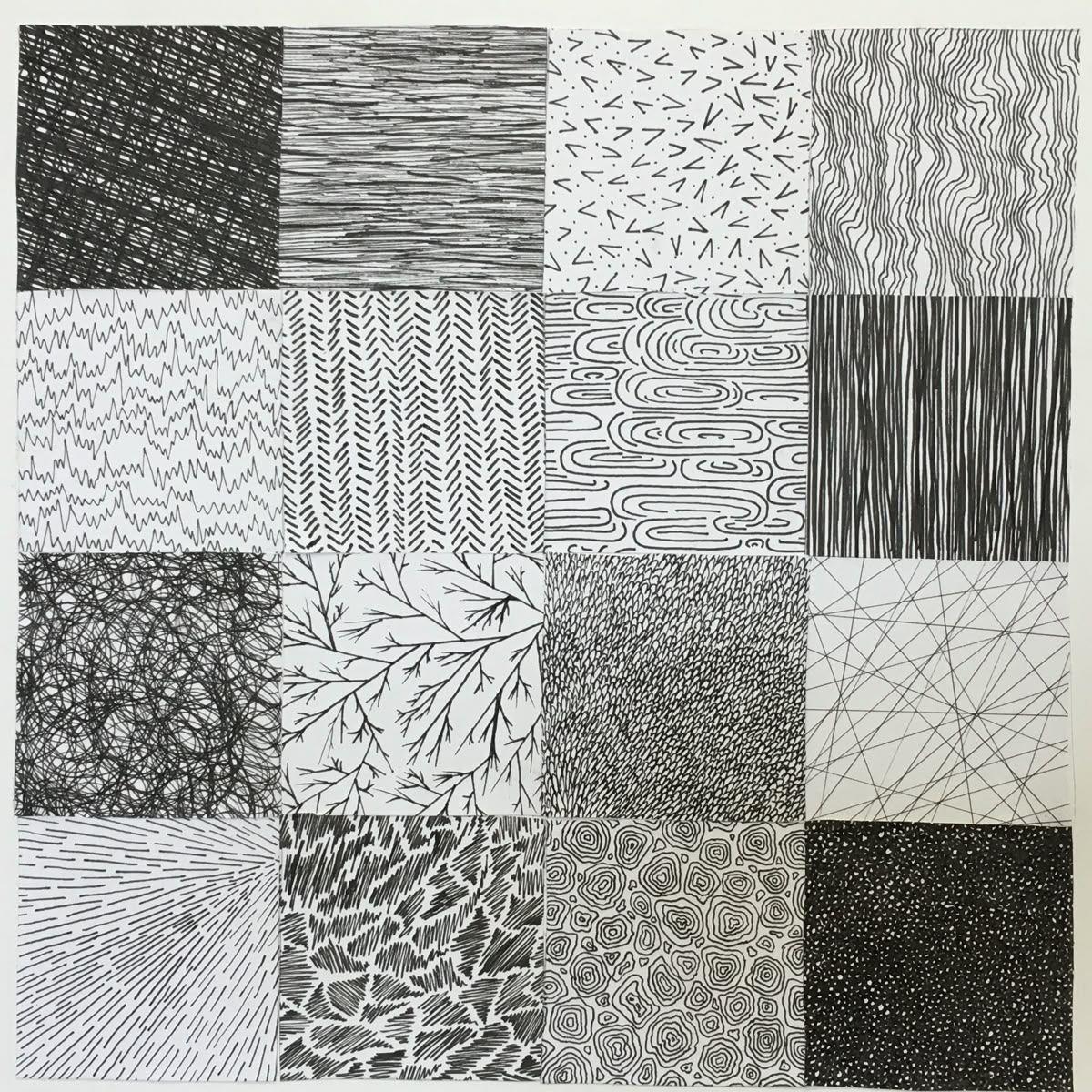
Spend time observing how light hits different materials. Is it rough? Shiny? Matte? Trying to replicate these textures forces you to look closer than you ever have before.
How to Practice Effectively
You don't need to practice for 8 hours a day. In fact, 15–30 minutes of focused practice is much better than hours of mindless doodling.
- Warm up: Spend 5 minutes on simple lines or circles.
- Focus on one thing: Don't try to master everything at once. Spend a week just on lines, then a week on cubes.
- Don't fear the "bad" drawing: These are exercises, not masterpieces. Every "bad" drawing is just a step toward a better one.