How to Hold a Pencil
Description
How you hold a pencil directly affects your lines. It changes how much control you have, how much pressure you use, and how freely your hand can move. There isn’t one correct way to hold a pencil. What matters is using the right grip for the situation and staying relaxed while drawing.
There are 3 main types of grips:
- The tripod Grip, great for details. Similar to writing, hold the pencil between the thumb and index finger, resting on the middle finger.
- Overhand Grip is for sketching & Shading. Hold the pencil with your thumb on one side and fingers on top, holding it further back to use the side of the lead.
- Underhand Grip is more loose & Fluid, ideal for sketching long, natural lines. Hold the pencil from underneath with the palm facing up,
Grip and control are connected. Holding the pencil close to the tip gives you high control but also makes it easier to become stiff. Holding it farther away reduces precision but makes your lines more natural and confident.
Good drawing uses both. You block in shapes with a loose grip, then switch to a tighter grip only when needed.
Common Problems
Many people draw everything with the writing grip, which leads to slow, hesitant lines. Others try to use a loose grip but still move only their fingers, which defeats the purpose.
Another common issue is holding the pencil too tightly. This adds tension and reduces control instead of improving it.
Pro Tip: If your lines feel stiff or overly careful, change your grip and use more arm movement. If you need precision, move closer to the tip.
You don’t need to force a specific grip all the time. The goal is to be able to switch without thinking.
Practice Workflow
- Start with an Overhand Grip to block in large, light shapes.
- Switch to a Tripod Grip for adding smaller details and defining edges.
- Use an Underhand Grip to practice long, sweeping lines and curves.
- Throughout your session, check for tension in your hand and shoulder.
Practice Exercises
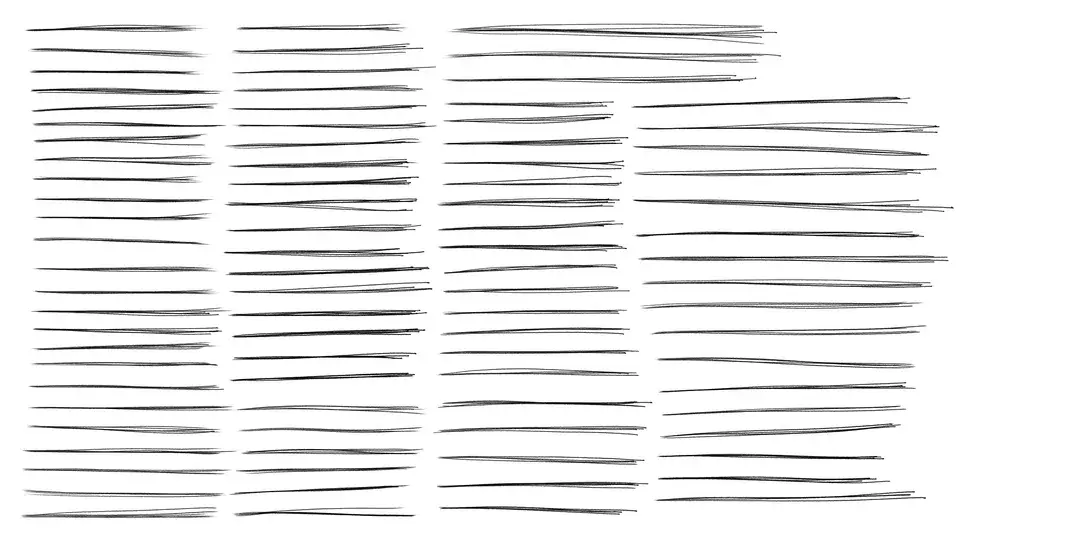
Try these exercises to practice different grips and improve your control:
Description
How you hold a pencil directly affects your lines. It changes how much control you have, how much pressure you use, and how freely your hand can move. There isn’t one correct way to hold a pencil. What matters is using the right grip for the situation and staying relaxed while drawing.
There are 3 main types of grips:
- The tripod Grip, great for details. Similar to writing, hold the pencil between the thumb and index finger, resting on the middle finger.
- Overhand Grip is for sketching & Shading. Hold the pencil with your thumb on one side and fingers on top, holding it further back to use the side of the lead.
- Underhand Grip is more loose & Fluid, ideal for sketching long, natural lines. Hold the pencil from underneath with the palm facing up,
Grip and control are connected. Holding the pencil close to the tip gives you high control but also makes it easier to become stiff. Holding it farther away reduces precision but makes your lines more natural and confident.
Good drawing uses both. You block in shapes with a loose grip, then switch to a tighter grip only when needed.
Common Problems
Many people draw everything with the writing grip, which leads to slow, hesitant lines. Others try to use a loose grip but still move only their fingers, which defeats the purpose.
Another common issue is holding the pencil too tightly. This adds tension and reduces control instead of improving it.
Pro Tip: If your lines feel stiff or overly careful, change your grip and use more arm movement. If you need precision, move closer to the tip.
You don’t need to force a specific grip all the time. The goal is to be able to switch without thinking.
Practice Workflow
- Start with an Overhand Grip to block in large, light shapes.
- Switch to a Tripod Grip for adding smaller details and defining edges.
- Use an Underhand Grip to practice long, sweeping lines and curves.
- Throughout your session, check for tension in your hand and shoulder.
Practice Exercises
Try these exercises to practice different grips and improve your control: